Keto and Menopause: Evidence, Protein & Bone
Keto is not an established treatment for hot flashes, sleep disturbance, mood symptoms, or cognitive complaints. Menopause-specific trials are too limited to claim that it produces better weight, muscle, or bone outcomes than other nutritionally adequate diets. It may be a workable food pattern for some people, provided that its restrictions do not crowd out fiber, micronutrients, adequate energy, or medical care.
Menopause symptoms and health risks deserve an individual assessment. New bleeding after menopause, chest pain, severe mood symptoms, unexplained weight loss, or a major change in function needs clinical evaluation. Do not change menopausal hormone therapy, thyroid medicine, a statin, blood-pressure treatment, or diabetes medicine because of a diet article.
Reading evidence in context
- Observed outcome
- Certainty
- Duration
- What remains unknown
Education is not diagnosis
- General education
- Personal self-check
- Clinician discussion
- Urgent care if needed
What changes during the menopause transition?
The transition can coincide with changes in body-fat distribution, sleep, physical activity, and lean tissue. Age, genetics, medications, illness, energy intake, and training also contribute. A larger waist or changed glucose result cannot be attributed to estrogen alone without assessment.
The Office on Women's Health describes menopause as a life stage with implications for bone and cardiovascular health and lists several evidence-based treatment pathways for symptoms.1 Keto is not listed as a proven vasomotor-symptom therapy. A change in symptoms after changing food is personal observation, not proof of a menopause treatment effect.
What does diet research support?
Low-carbohydrate and ketogenic studies use different carbohydrate limits, calorie goals, protein amounts, counseling, and follow-up. A Cochrane review found little to no difference in weight loss between low-carbohydrate and balanced-carbohydrate weight-reducing diets through two years, with uncertainty for several outcomes.2 It was not a menopause-specific keto trial.
This means diet choice can reasonably consider food preference, lipid response, glucose management, symptom tolerance, cost, culture, and sustainability. It does not support a claim that keto “directly targets” menopause-related abdominal fat or works better after age 45.
Track the outcome that motivated the change. Useful measures might include waist and weight trends, blood pressure, A1c when indicated, a lipid panel, strength or function, symptom frequency, and dietary adequacy. A ketone value alone cannot establish benefit.
Use protein guidance without inventing a menopause target
The adult DRI RDA of 0.8 g/kg/day was designed to meet the needs of about 97-98% of healthy adults.3 The 2025-2030 Dietary Guidelines give a general daily protein goal of 1.2-1.6 g/kg/day.4 The first is not merely a deficiency minimum, and the second is not an automatic actual-body-weight prescription for every postmenopausal adult.
Resistance training, total energy, meal pattern, age, kidney and liver health, and the body-weight basis can change the decision. High protein cannot be guaranteed harmless to every kidney, and it should not be promised to preserve bone by itself. Use the high-protein low-carb guide for CKD, cirrhosis, and sports distinctions.
The keto calculator is an input-only macro arithmetic worksheet. It calculates results from values you enter; it does not choose a personalized protein, energy, carbohydrate, or macro target.
Protect bone with a complete plan
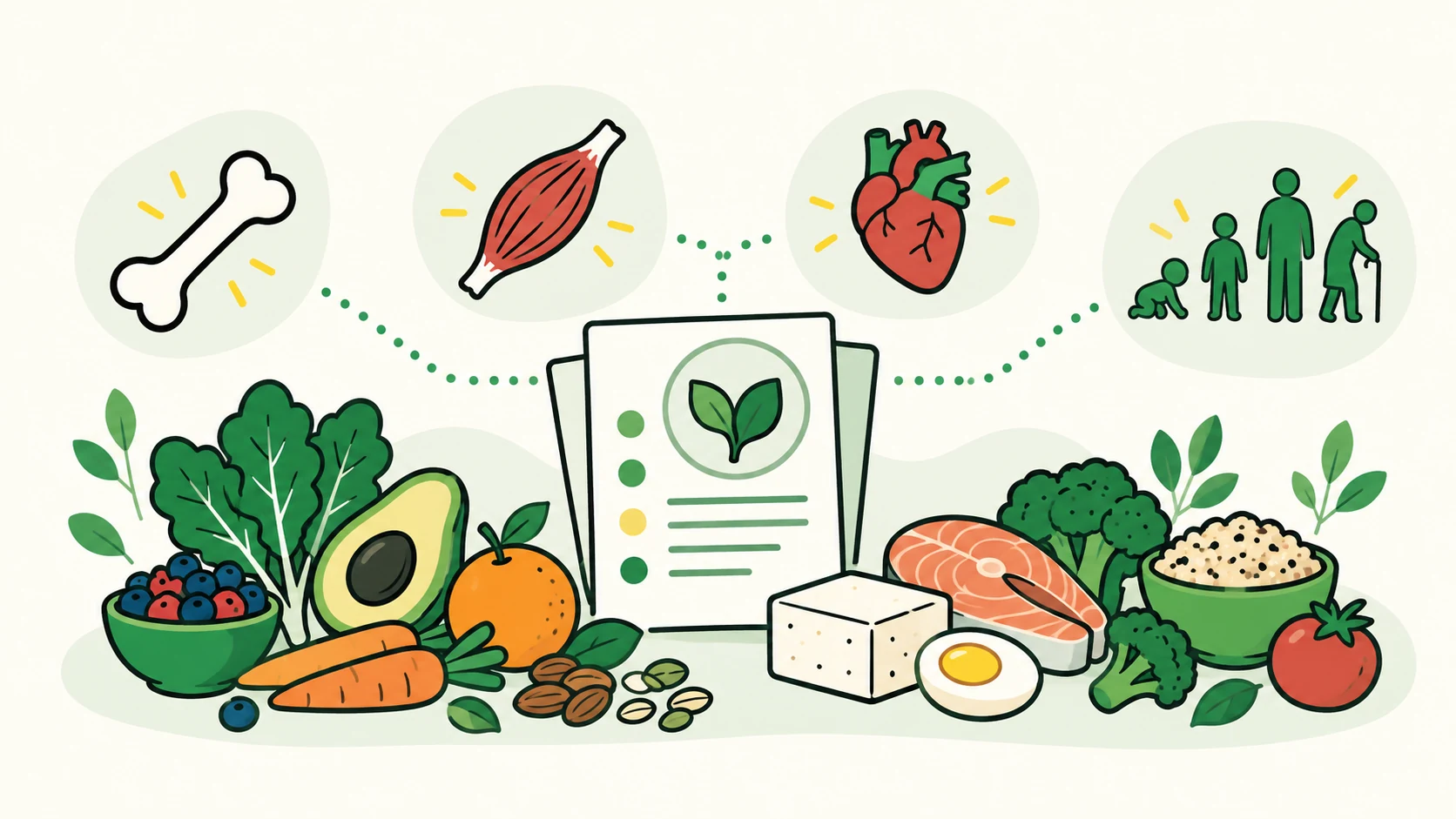
Bone health depends on more than dietary protein. Menopause-related estrogen change, age, family history, body weight, smoking, alcohol, medicines, calcium and vitamin D status, and loading exercise all matter. NIH guidance lists a calcium RDA of 1,200 mg/day for women ages 51-70 and for all adults older than 70, from food and supplements combined.5 A target or supplement still needs context because excessive intake and drug interactions can cause harm.
The U.S. Physical Activity Guidelines recommend muscle-strengthening activity and include bone-strengthening considerations across the lifespan.6 Resistance exercise can support strength and function, but no web routine can assess fracture risk, balance, joint limitations, or osteoporosis. Ask about DXA screening based on age and risk rather than assuming keto protects or damages bone.
Watch cardiovascular risk and fat quality
Some people experience a substantial LDL cholesterol rise on a ketogenic diet. Use mostly unsaturated fats from foods such as olive oil, nuts, seeds, avocado, and fish, while limiting a pattern dominated by butter, coconut fat, processed meat, and other saturated-fat sources. Fiber and food variety still matter.
Discuss baseline and follow-up lipids with a clinician when cardiovascular risk is present. Do not infer safety from weight loss alone. Blood pressure, tobacco exposure, diabetes, family history, sleep, activity, and menopause history remain relevant.
What does creatine research in menopause show?
A 2026 meta-analysis of seven randomized trials in peri- and postmenopausal women reported small benefits for some lean-mass and strength outcomes, particularly when creatine of at least 5 g/day was paired with resistance training. Overall bone-mineral-density effects were not significant.7 Trial size, duration, adherence, dose, and training varied.
In a two-year randomized trial led by Darren Candow, creatine plus resistance training did not improve femoral-neck, total-hip, or lumbar-spine bone mineral density compared with placebo plus training.8 Some secondary geometry, lean-tissue, and walking outcomes differed, but adherence was a limitation.
These studies do not establish a keto-specific benefit. Direct evidence during GLP-1 treatment is also absent. Creatine can increase body water and serum creatinine, complicating scale and kidney-test interpretation. Read creatine on keto before deciding.
Build a menopause-aware low-carb plate
If a low-carbohydrate pattern fits, keep its structure broad enough to supply:
- varied protein foods, using an individualized amount;
- non-starchy vegetables and tolerated high-fiber foods;
- mostly unsaturated fats;
- calcium-rich foods that fit the plan;
- enough total energy to support training and daily function; and
- fluids consistent with kidney, heart, liver, and medication needs.
A Mediterranean-style lower-carbohydrate pattern can be less restrictive than keto while preserving many preferred foods. The meal template builder organizes ideas from a fixed catalog; it does not prescribe clinical nutrition.
Review medication and diet risks
Insulin and insulin secretagogues can cause hypoglycemia after a substantial carbohydrate reduction. Very-low-carbohydrate intake, fasting, dehydration, and illness increase ketoacidosis risk with SGLT2 inhibitors.9 A prescriber should set monitoring and adjustments.
Also discuss kidney or liver disease, pancreatitis or gallbladder history, osteoporosis risk, an eating-disorder history, and any persistent gastrointestinal symptoms. Keto can be modified or stopped if it makes adequate intake or treatment harder.
Frequently Asked Questions
Does keto treat menopause belly fat?
Does keto reduce hot flashes or brain fog?
How much protein is needed after menopause?
Does creatine improve bone density after menopause?
Can the keto calculator set menopause macros?
Works cited
Article history
- Rebuilt menopause efficacy, protein, bone, cardiovascular, creatine, and medication guidance
- First published
Your learning guide