Ketosis vs Ketoacidosis: The Difference
Nutritional ketosis and diabetic ketoacidosis (DKA) both involve ketones, but only DKA includes metabolic acidosis. A ketone reading by itself cannot diagnose either condition or establish that someone is safe.
Seek emergency care now for persistent vomiting, severe abdominal pain, deep or difficult breathing, confusion, fainting, or marked drowsiness. These signs are especially concerning for DKA with known or possible diabetes, pregnancy, or SGLT2-inhibitor use; do not wait for very high glucose. A normal or mildly elevated glucose reading does not rule out DKA.1 2
Reading evidence in context
- Observed outcome
- Certainty
- Duration
- What remains unknown
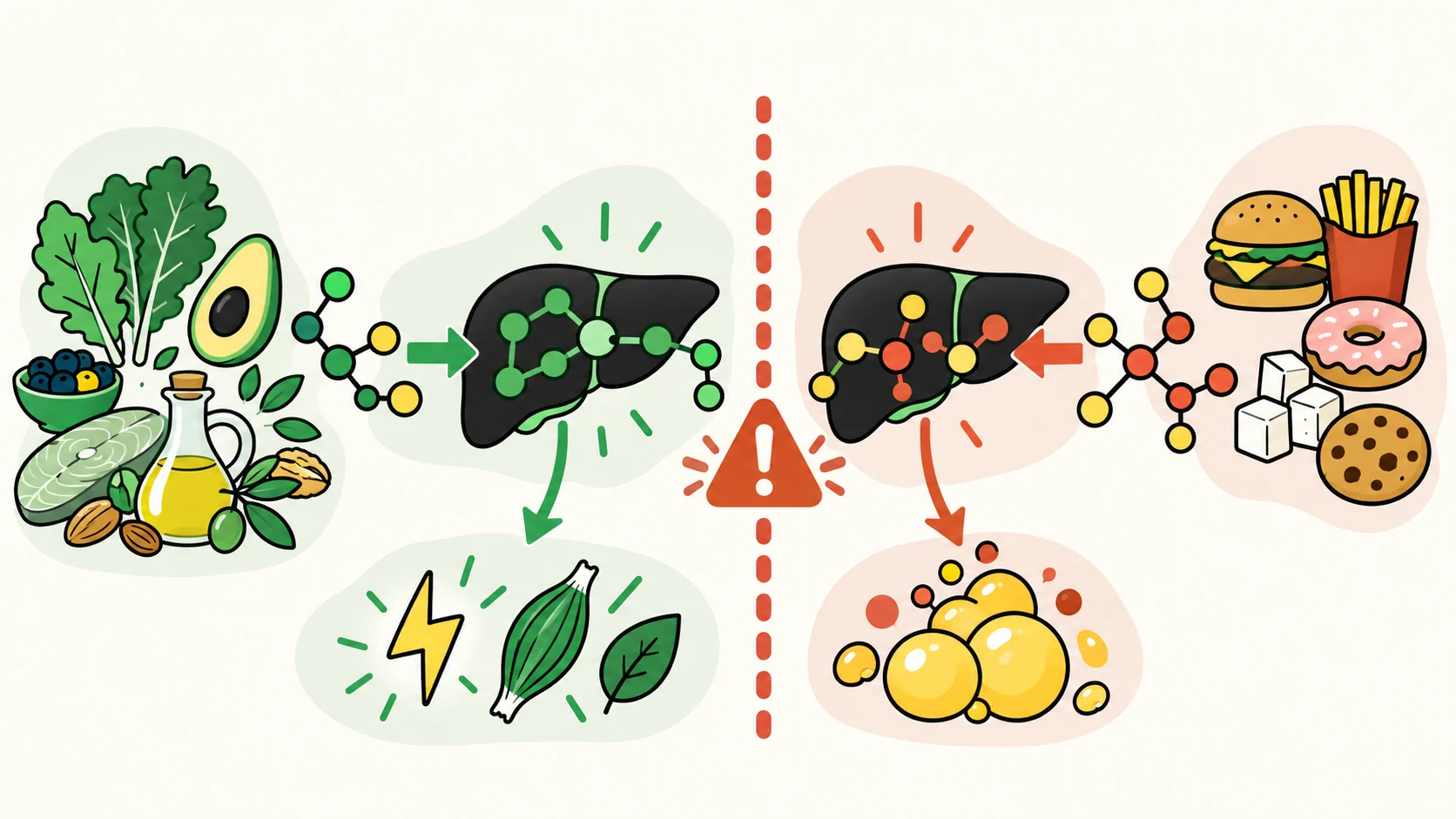
How clinicians distinguish ketosis from DKA
The 2024 international consensus defines DKA using three required components. A person must have diabetes or qualifying hyperglycemia, elevated ketones, and metabolic acidosis.1
| Clinical question | Nutritional ketosis | Diabetic ketoacidosis |
|---|---|---|
| Why are ketones present? | Carbohydrate or energy availability is low enough to increase ketone production | Insulin action is insufficient and counter-regulatory hormones drive excessive ketone production |
| Ketone result | Variable; no single reading proves safety or benefit | Blood beta-hydroxybutyrate (BHB) at least 3.0 mmol/L, or urine ketones at least 2+, satisfies the ketone component |
| Glucose or diabetes component | No DKA requirement | Glucose at least 200 mg/dL (11.1 mmol/L), or a prior history of diabetes regardless of the current glucose |
| Acid-base status | No metabolic acidosis | Venous pH below 7.3 and/or bicarbonate below 18 mmol/L |
| What the result means | A metabolic response, not a medical goal by itself | A life-threatening emergency requiring clinical treatment |
All three DKA components matter. Blood BHB can reach the DKA criterion before glucose becomes markedly high, while ketones from fasting or diet do not by themselves establish acidosis. Home meters cannot measure pH or bicarbonate, so they cannot confirm or exclude DKA.1
What happens during nutritional ketosis?
When carbohydrate or total energy availability falls, the liver converts fatty-acid-derived acetyl-CoA into ketone bodies. BHB and acetoacetate can then supply part of the energy used by the brain and other tissues. Insulin remains present and normally restrains ketone production, while blood pH and bicarbonate remain within their usual ranges.4
Nutritional ketosis is not defined by a universally beneficial target band. Ketone concentration varies with recent food intake, fasting, exercise, illness, pregnancy, alcohol use, medications, and the method and timing of measurement. Most people following a ketogenic diet for general purposes do not need routine ketone testing.
The site's science of ketosis guide explains the pathway in more detail. The blood ketone meter and urine strip entries explain what home tests can and cannot show.
What happens during DKA?
In DKA, absolute or relative insulin deficiency combines with increased counter-regulatory hormones. Glucose production and ketone production rise, fluid and electrolytes are lost, and ketone acids lower bicarbonate and pH. Infection, missed or inadequate insulin, a new presentation of diabetes, and acute cardiovascular illness are common precipitating factors.1
Blood BHB is the preferred ketone measurement because it is the principal ketoacid in DKA. Urine tests detect acetoacetate instead. They can underestimate ketonemia early in DKA and overestimate it during recovery as BHB is converted back to acetoacetate. The consensus therefore recommends direct blood BHB for diagnosis and monitoring when available.1
Euglycemic DKA and SGLT2 inhibitors
About 10% of adults with DKA in the consensus evidence presented with glucose below 200 mg/dL (11.1 mmol/L). This is euglycemic DKA: the ketone and acidosis criteria are present even though glucose does not look conventionally high.1
Euglycemic DKA can occur after insulin has already been taken, during reduced food intake, in pregnancy, with alcohol-related impaired gluconeogenesis, with liver failure, and during treatment with a sodium-glucose cotransporter-2 (SGLT2) inhibitor. Examples of SGLT2 inhibitors include canagliflozin, dapagliflozin, empagliflozin, and ertugliflozin.
The FDA warns that people taking an SGLT2 inhibitor should be assessed for ketoacidosis when compatible symptoms occur regardless of glucose level. Reported precipitating factors include insulin-dose reduction, acute illness, surgery, reduced caloric intake, pancreatic insulin deficiency, and alcohol use. The FDA directs patients with suspected symptoms to stop the SGLT2 inhibitor and seek medical attention immediately.2
Do not combine an SGLT2 inhibitor with a ketogenic or very-low-carbohydrate diet without a medication-specific plan from the prescriber. Do not reduce or omit insulin to avoid low glucose after changing carbohydrate intake.
Pregnancy, illness, and other high-risk settings
Pregnancy can increase susceptibility to ketosis and DKA, and DKA may occur at lower glucose concentrations. Vomiting, reduced intake, infection, or insulin-delivery problems during pregnancy require prompt contact with the obstetric and diabetes teams; DKA symptoms require emergency assessment.1
People with type 1 diabetes, a history of DKA, pancreatic disease or surgery, an insulin pump, or insulin-treated type 2 diabetes need an individualized sick-day and ketone-testing plan. Pump interruption can remove rapid-acting insulin quickly. Insulin should not be stopped during illness unless the diabetes team gives explicit instructions.
Ketoacidosis can also occur outside diabetes in distinct syndromes linked to prolonged starvation or heavy alcohol use. These conditions have different causes from DKA but can still produce dangerous metabolic acidosis and require urgent clinical care.
Education is not diagnosis
- General education
- Personal self-check
- Clinician discussion
- Urgent care if needed
Symptoms and what to do
DKA symptoms may include excessive thirst, frequent urination, nausea, vomiting, abdominal pain, profound fatigue, deep or rapid breathing, shortness of breath, confusion, or reduced alertness. Breath odor is neither sensitive nor specific enough to distinguish DKA from dietary ketosis.1 3
- Call emergency services or go to an emergency department now for trouble breathing, deep rapid breathing, confusion, fainting, severe drowsiness, or persistent vomiting, especially with diabetes, pregnancy, or SGLT2-inhibitor use.
- Follow the established diabetes sick-day plan for glucose and ketone checks. Seek urgent clinical advice at the threshold specified by the diabetes team; do not wait for high glucose if symptoms or ketones are concerning.
- Do not try to treat suspected DKA with water, food, exercise, or extra supplements. DKA treatment requires clinical assessment, fluids, insulin, electrolyte management, and treatment of the precipitating cause.1
If an unexpected home result appears in someone without diabetes or symptoms, repeat it only as the device instructions advise and discuss persistent or unexplained readings with a clinician. Routine testing to maximize ketones offers no established health benefit.
Frequently Asked Questions
Can one ketone reading diagnose DKA?
Can DKA happen with normal blood sugar?
Does fruity breath prove DKA?
Who should have a home ketone-testing plan?
Should I track ketones on a keto diet?
Works cited
Article history
- Legacy update; details were not recorded
- First published
Your learning guide